

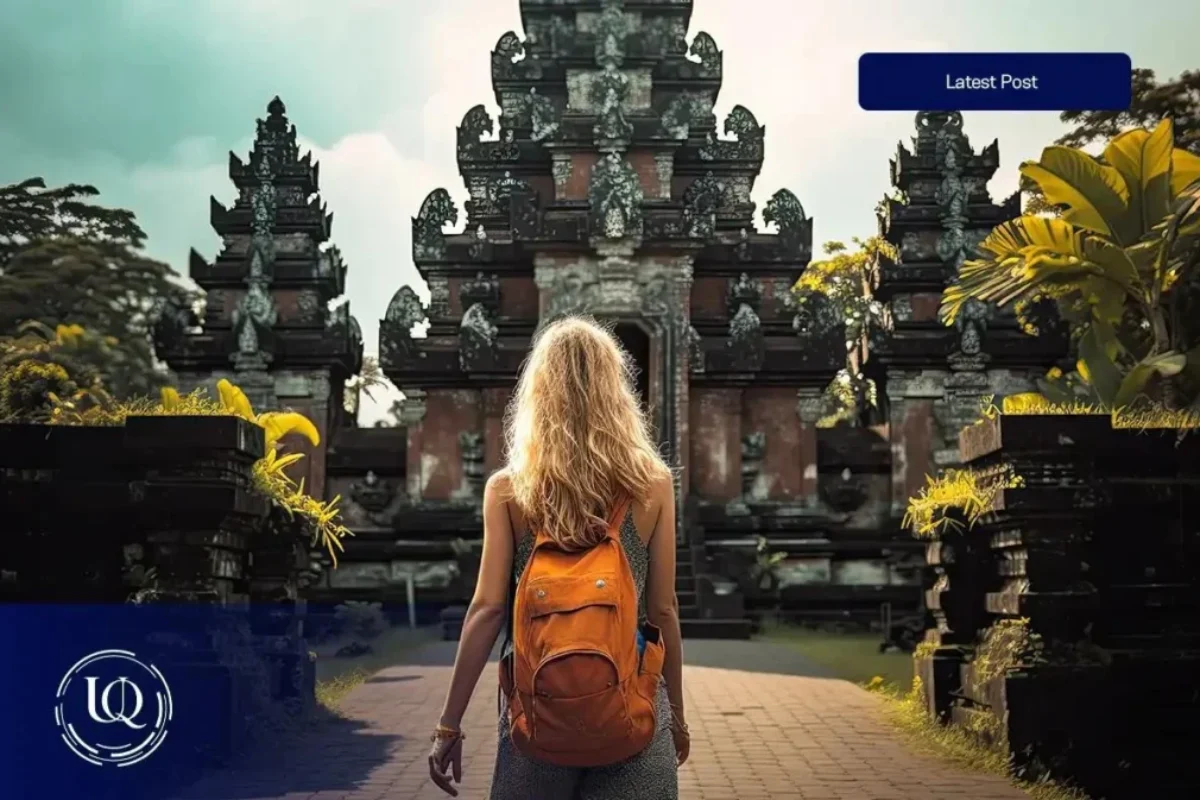
Nyepi Day Etiquette for Tourists in Bali
Once a year, Bali does something no other island attempts. The airport closes, the beaches empty, and twenty-four hours of complete stillness settle over rice fields, temples, and villa gardens alike. For visitors, Nyepi Day is not an inconvenience to plan around, but an invitation to slow down alongside an entire island. Knowing what is expected of you is what turns the day from confusing to quietly unforgettable.
What Is Nyepi Day in Bali
Understanding what the island is observing makes the day far easier to enjoy. This is a religious occasion first and a public holiday second, which is why the rules apply to everyone standing on Balinese soil.
The Balinese Hindu New Year
Nyepi marks the start of the Saka new year, which follows a lunisolar calendar kept by Balinese Hindu priests, so the day shifts relative to Gregorian dates each year. Confirm the date for Nyepi Day 2027 before you book flights.
Why the Entire Island Goes Silent
The silence has a purpose. By leaving Bali dark, quiet, and apparently empty, the Balinese aim to convince lingering negative spirits that the island is uninhabited and not worth troubling. The Day of Silence also creates space for self-reflection, prayer, and a genuine reset before the year begins.
Important Rituals Before the Day of Silence
The stillness does not arrive out of nowhere. It follows several days of color, movement, and noise, and the Melasti and Ogoh Ogoh ceremonies are the moments guests are warmly invited to watch.
Melasti Beach Purification Ceremonies
Three or four days before Nyepi, villagers walk in procession to the sea or to a sacred spring, carrying temple heirlooms to be cleansed in holy water. Dress modestly if you go to watch, stay well back on the sand, and keep the path to the water clear for those praying.
The Ogoh Ogoh Parade and Ngerupuk Night
On the eve of Nyepi, towering bamboo and papier-mache demons move through the streets to the sound of gamelan and torchlight, then are spun at intersections to disorient the spirits they represent. The Ogoh Ogoh parade is the loudest night of the Balinese year, and visitors are welcome to line the route. Arrive early, since roads close well before dusk, and let the youth groups carrying the effigies pass freely.
The Four Main Rules for Tourists to Follow
From six in the morning until six the next morning, four traditional restrictions known as Catur Brata Penyepian apply island-wide. Hotels will remind you of them, and understanding the reasoning makes them far easier to keep.
Amati Geni and Keeping Lights Turned Off
The first rule is simple: no fire, and no light visible from outside. Keep curtains drawn, use one dim lamp deep inside the room if you need it, and skip candles, cooking flames, and bright screens near windows.
Amati Karya and Pausing All Daily Activities
Work stops for the day. Emails can wait, deliveries will not arrive, and the pause is the point rather than a problem to solve.
Amati Lelunganan and Staying Inside Your Accommodation
Nobody travels. Streets, beaches, and shops are closed to everyone, so plan to stay within your hotel or villa grounds for the full twenty-four hours.
Amati Lelanguan and Avoiding Noise or Entertainment
Music, loud conversation, and poolside celebrations are set aside. Reading, sleeping, journaling, and quiet meals are all perfectly acceptable ways to spend the hours.
Essential Travel Services and Public Closures
Practical planning matters more for the Day of Silence than for any other date in the Balinese calendar. A little preparation is the difference between a peaceful day and a stressful one.
Airport Operations and Transportation Limits
Ngurah Rai International Airport closes for the entire day, and no flights arrive or depart. Ferries and public transport also stop, so arrive at least a day early and leave no sooner than the following morning.
Shops, Restaurants, and Emergency Access
Warungs, markets, ATMs, and beach clubs all close, and mobile data is generally switched off across the island. Emergency medical transport remains available and is arranged through your accommodation or the village authorities.
Local Street Security and Village Patrols
Village guards known as Pecalang patrol the roads in ceremonial dress, and their instructions carry real authority. They are courteous and helpful, and their response to any request is always polite.
Practical Tips for Hotel and Villa Guests
Where you spend the day shapes the whole experience. A well-prepared villa in Ubud or Sayan, surrounded by rice fields and birdsong, makes the silence feel like a gift rather than a restriction.
Preparing Necessary Supplies in Advance
Stock up on drinking water, snacks, medication, and anything a child or pet will need for 2 days in advance. Charge your devices, download something to read, and confirm in advance whether your kitchen or hotel restaurant will serve meals.
Respecting Resort Staff and Facilities
Many staff members stay overnight to look after guests rather than be at home with their families. Keep requests to a minimum, thank them generously, and treat the pool area as a quiet zone all day.
What Happens After Nyepi Day Ends
At six the following morning, Bali exhales. Ngembak Geni begins, families visit one another to ask forgiveness and begin the year with a clean slate, and the island returns to its usual warmth within hours. Visitors who kept the rules often describe the day afterwards as the clearest of their trip: rested, unhurried, and strangely reluctant to switch the noise back on.
At Unique.co.id, we help guests and long-stay residents plan around dates like this one, from choosing the right villa in Ubud to arranging supplies, transport, and cultural experiences on either side of the silence.
Tell us what you are dreaming of and we will shape the details