
Common Balinese Words and Phrases Every Visitor Should Know
Language is the quiet doorway into any culture, and in Bali it opens onto something unusually rich. A few well-placed Balinese words can turn a polite exchange into a real connection, long before you learn to order a meal or ask for directions. This guide gathers the words that matter, and what they truly mean, so your days in Ubud feel less like visiting and more like belonging.
Understanding the Language Landscape in Bali
Bali speaks in more than one voice, and knowing which is which makes everything else easier to follow. You will meet three languages across the island:
- Bahasa Indonesia: the national language, phonetic and simple to pick up.
- Basa Bali: the island’s own mother tongue.
- English: widely spoken in tourist areas like Ubud and Canggu.
Balinese also shifts by register, chosen according to whom you are addressing:
- Basa Ketah, or Andap: the everyday form.
- Basa Madia: the polite middle.
- Basa Singgih, or Halus: reserved for elders, priests, and formal moments.
The Essential Greetings and Polite Expressions
Greetings are where warmth begins, and a small handful will carry you further than any phrasebook. These are the ones to learn first:
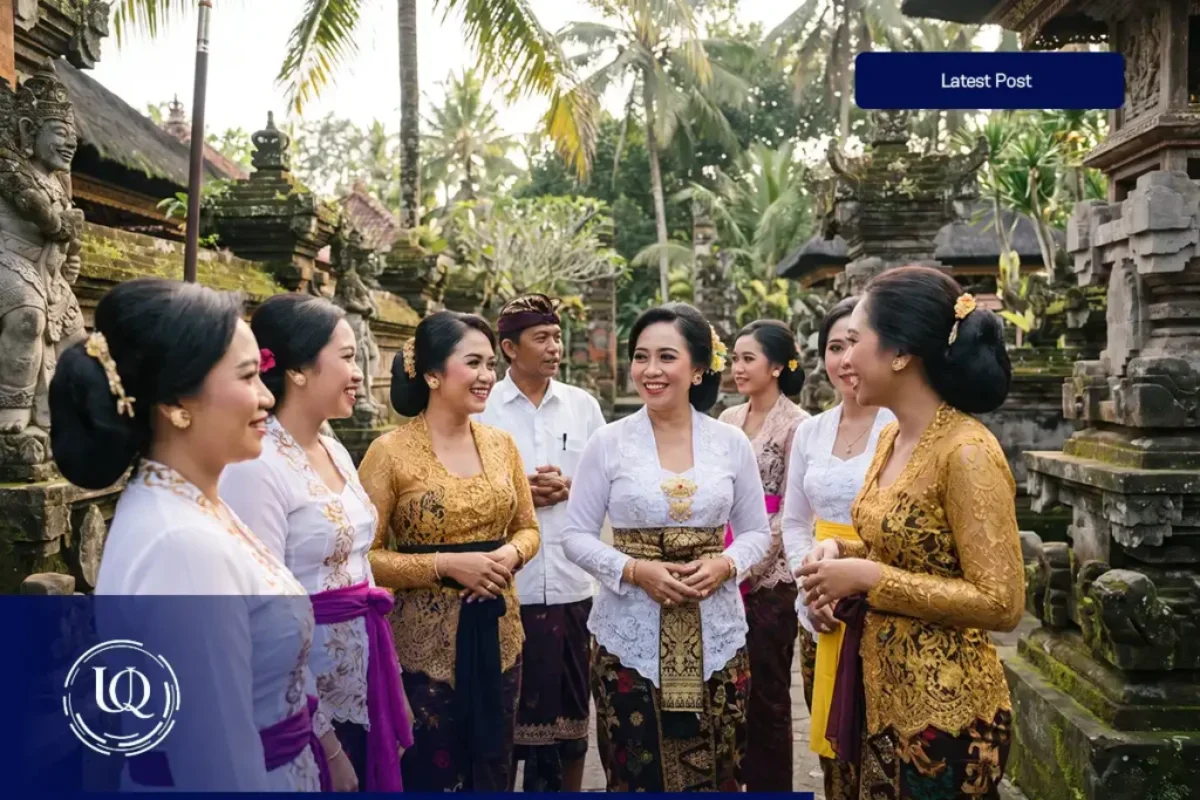
- Om Swastiastu: the most respectful hello, a small blessing of peace and good fortune. Reply with the same words.
- Rahajeng semeng, tengai, peteng: good morning, good afternoon, and good evening.
- Matur Suksma, or Suksma for short: thank you. Reply Suksma Mewali, meaning you are welcome.
- Kenken Kabare or Punapi Gatra: how are you, with Punapi Gatra the more refined version. A simple becik, meaning good, is all you need in return.
- Addressing people: Bli for an older man, Gek for a younger woman, Ibu or Bu for an older woman, and Bapak or Pak for an older man. For yourself, Tiyang is the polite word for “I.”
Practical Daily Vocabulary for Navigating the Island
Once greetings feel natural, a small kit of everyday words helps you move through markets, lanes, and rice-field roads. Start with the question words:
- Ape: what
- Pidan: when
- Kenape: why
- Nyen: who
- Dija: where
- Kenken: how
Directions here are more poetic than you might expect, given by mountain and sea rather than left and right:
- Kaja: toward the sacred mountains
- Kelod: toward the sea
- Kangin: east, where the sun rises
- Kauh: west
Shopping and Bargaining Terms for Local Markets
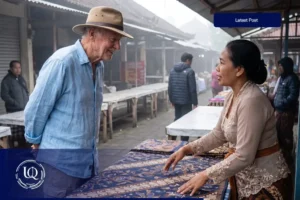
A morning at a village market is one of Bali’s simple pleasures, and the right phrases make it friendlier:
- Aji Kuda or Kuda Hargane: how much is it?
- Ten dados tawah: the language of bargaining, a good-humored part of market life. If a vendor gently says ten dados, the price is fixed.
- Numbas, or meli: to buy, with numbas the more polite form.
- Besik: one, as in buying a single piece.
Balinese Culinary Terms for Food Lovers and Cooking
Food is where Balinese words come most alive, carrying the aroma of the kitchen with them:
- Paon: the traditional kitchen, a near-sacred space within the family compound.
- Base Gede, or Base Genep: the great spice paste of turmeric, galangal, ginger, and chili, and the soul of nearly every savory dish.
- Jaen, or Jaen Pisan: delicious, or very delicious. The warmest compliment you can pay a cook.
- Everyday food words: Nasi (rice), Jukut (vegetables), Siap (chicken), Goreng (fried), and Lalah (spicy).
Put Your New Words to Use in an Authentic Cultural Experience
Words settle into memory only when you use them, somewhere you are welcomed rather than watched. Unique.co.id can arrange a guided cultural immersion built around exactly that:
- A village market walk where you practice Aji Kuda.
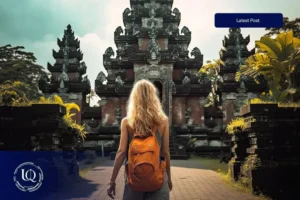
- A temple visit with a local host to explain each ritual.
- A hands-on cooking session where Base Gede is ground before you.
The result is a version of Bali that feels genuinely your own.
Key Terminology in Traditional Balinese Ceremonies
Bali’s calendar turns on ceremony, and a few names help you understand the color and devotion you are likely to witness:
- Galungan and Kuningan: linked holy days marking the victory of dharma, or good, over adharma, when tall penjor poles arch over the roads.
- Nyepi: the Saka New Year, a full day of silence with no travel, no noise, and no lights.
- Melasti: a purification ritual before Nyepi, when sacred objects are carried in procession to the sea.
- Odalan: a temple’s anniversary, held every 210 days with offerings, music, and sacred dance.
Frequently Asked Questions
A couple of questions come up often for first-time visitors, and both deserve an honest answer.
Is Balinese difficult for foreigners to learn?
It is more challenging than Indonesian, mainly because of its registers and its own script. Still, effort matters more than fluency, and even a few Balinese words are met with real warmth.
Should I learn Bahasa Indonesia or Balinese?
For practicality, Bahasa Indonesia is the wiser first choice: phonetic, simply structured, and useful across the archipelago. For heart, learn a few Balinese words too, because they speak directly to the people whose home you are enjoying.
Ready to Experience Balinese Culture Firsthand?
Learning a language is not just about words, but about the doors they open: a warmer smile at the market, a deeper temple visit, a table where you are treated as a guest rather than a tourist. That is the kind of Bali that stays with you.
When you are ready to go beyond the guidebook, Unique.co.id can shape a personal, unhurried introduction to the island’s culture, from Ubud to Sayan. Tell us what you are dreaming of, and we will shape the details. Start the conversation on WhatsApp whenever you like, no pressure, just possibilities.